



Healthcare and medical billingFilm · 2 min
Forty auths a week per doctor, six portals, one fax
An orthopedic group on NextGen, rebuilding auth packets by hand across payer portals and a fax line.
Integration and automationA specialty physician group worked its denials oldest first from one queue in ModMed, so the ones it could still win waited behind older ones, and the front desk and the auth team, where many of them started, were never told. We redesigned the work first, with an owner for every denial by its cause and each queue worked by dollars and days left to the appeal deadline, then built a denial ledger the group owns and an agent that routes each denial to its owner and gathers the chart pages each appeal needs, for the biller to submit.
Chapters
At a glance
As redesigned
Every denial gets an owner by its cause, from the front desk for coverage and the auth team for authorizations to coding and billing.
Each queue is worked by dollars and days left to the appeal deadline, not by age.
Write-offs need a reason and a sign-off, and a weekly review shows each owner what they created.
As built
Product names and logos are trademarks of their respective owners.
The measure
Denied dollars recovered within 60 days, divided by denied dollars, and coverage denials as a share of claims, both read every week from the ledger.
48% of 288 medical group leaders call denials and appeals their biggest revenue-cycle leak.
More work
An orthopedic group on NextGen, rebuilding auth packets by hand across payer portals and a fax line.
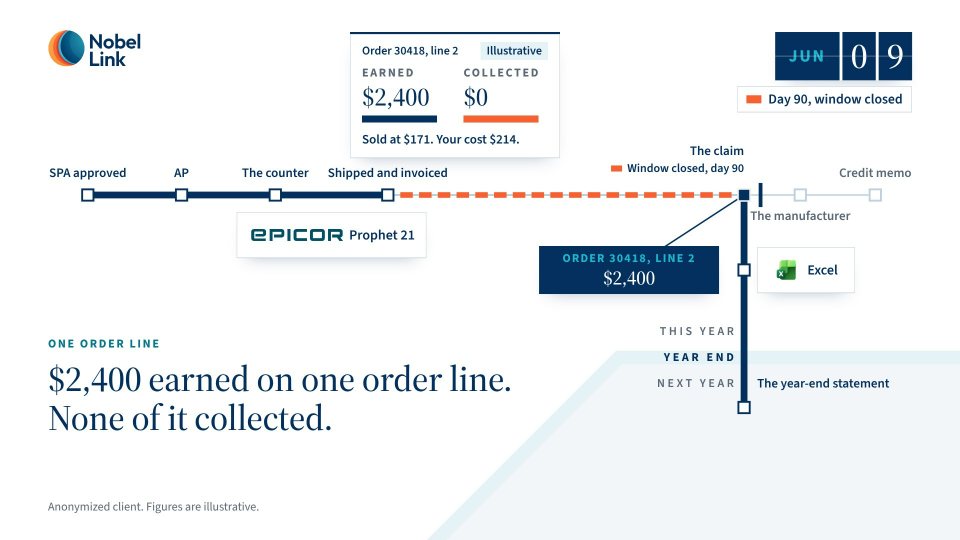
Integration and automationAn electrical distributor on Prophet 21, earning special pricing credits that nobody owned or claimed.
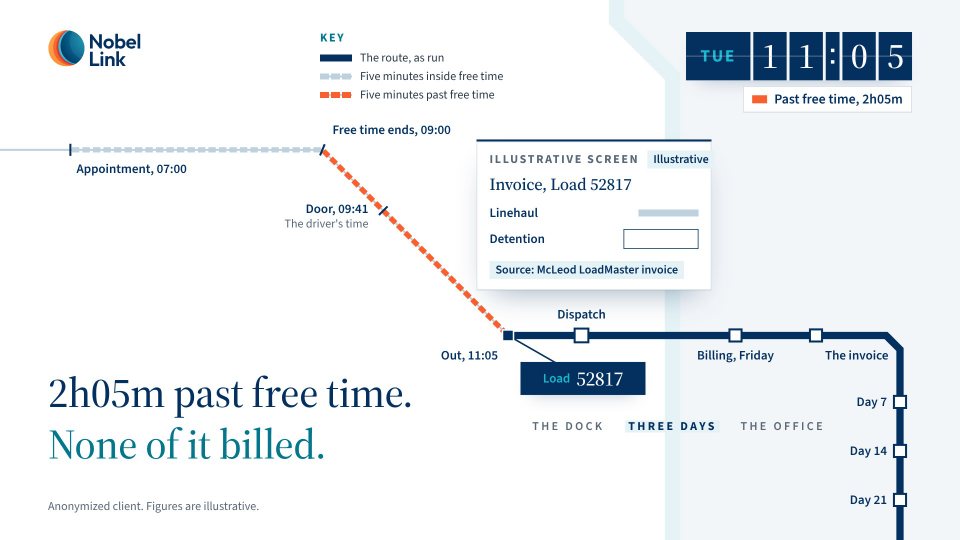
Revenue cycle and billingA truckload carrier on McLeod and Samsara, dropping detention it couldn’t prove once the truck had left.
Revenue cycle and billingNext step
If you run a company like this one, back one or lend to one, a principal replies within one business day and holds a first call.